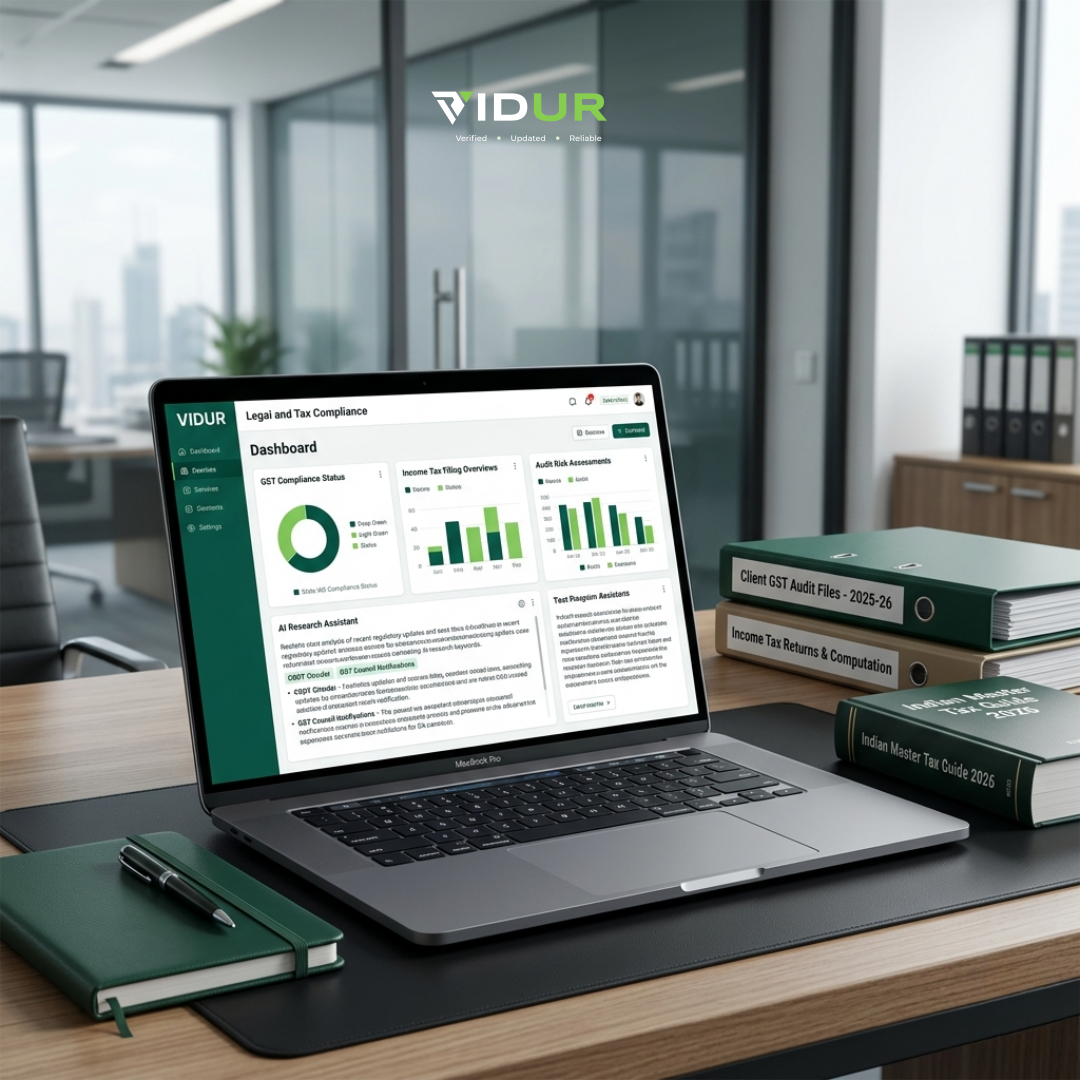


Artificial Intelligence (AI) is rapidly transforming industries across the globe, and the accounting sector is no exception. While large firms often have the resources to overhaul their processes and adopt cutting-edge technology, small and mid-sized Chartered Accountant (CA) firms in India may find such sweeping changes intimidating or impractical. However, integrating AI need not be an all-or-nothing proposition. By taking a pragmatic approach, smaller firms can leverage AI’s benefits without disrupting their established workflows or incurring prohibitive costs.
Understanding the Need for AI in Small and Mid-Sized CA Firms
Small and mid-sized CA firms operate in a competitive environment where efficiency, accuracy, and client satisfaction are paramount. Traditional accounting methods, though reliable, may not always keep pace with the increasing volume and complexity of financial data. AI can help streamline routine tasks, reduce human errors, and enable firms to focus on higher-value advisory services. Importantly, adopting AI does not mean replacing the entire workflow. Instead, it involves identifying areas where automation and intelligent tools can augment existing practices.
Identifying Suitable AI Solutions
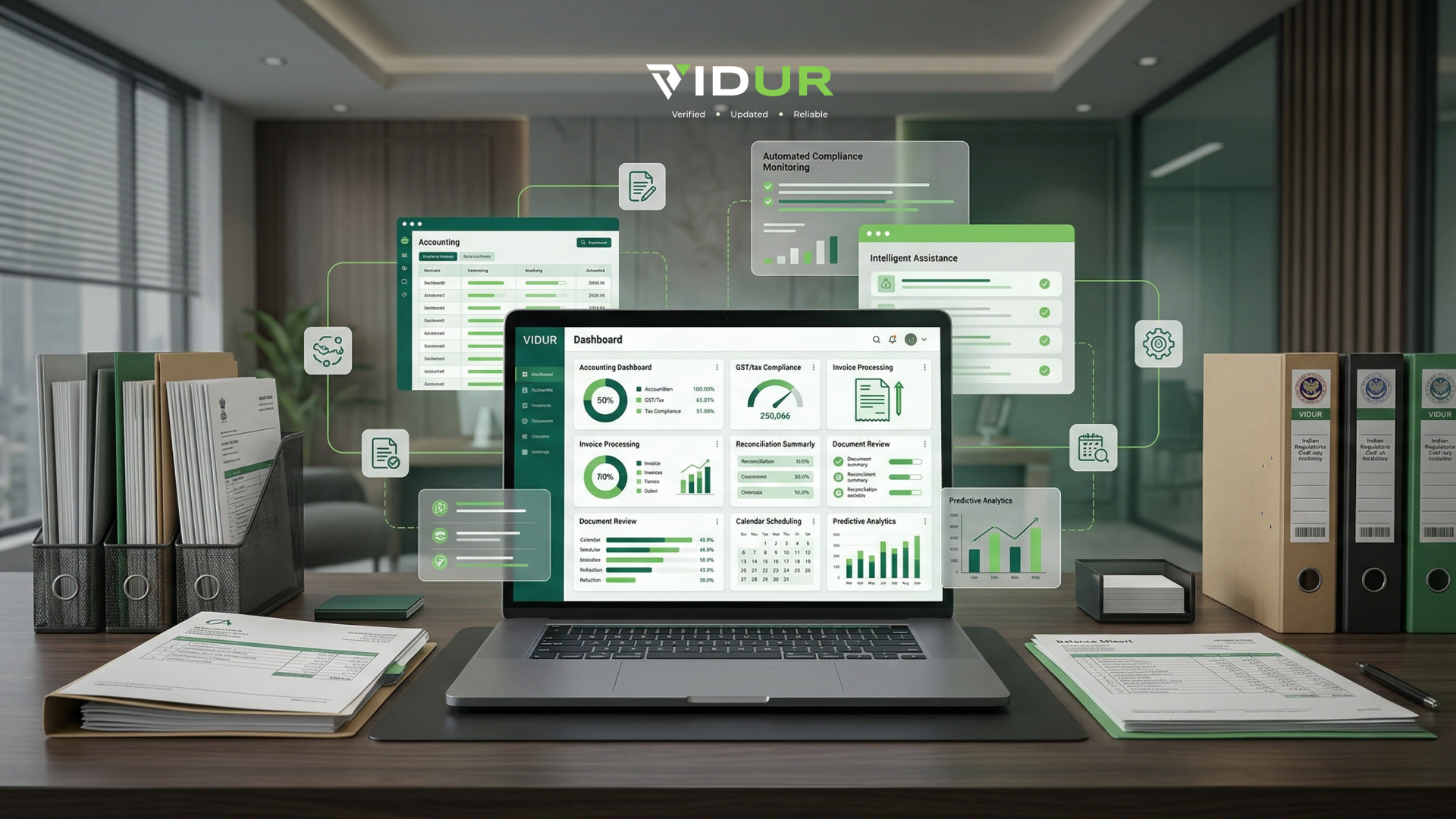
The first step is to assess the current workflow and pinpoint bottlenecks or repetitive tasks. Common areas where AI can be introduced include data entry, reconciliation, invoice processing, tax compliance, and client communication. Many AI-powered tools are designed to integrate seamlessly with existing accounting software, requiring minimal changes to the workflow.
Practical Ways to Integrate AI Without Disrupting Workflow
- Automate Data Entry and Reconciliation
- Enhance Compliance and Reporting
- Client Communication and Scheduling
- Predictive Analytics for Advisory Services
Choosing the Right AI Tools
When selecting AI tools, CA firms should prioritise compatibility with their existing systems. Look for solutions that offer easy integration, user-friendly interfaces, and robust support. Cloud-based AI applications are particularly advantageous as they require minimal infrastructure investment and can be accessed from anywhere, making them ideal for firms with distributed teams or remote work arrangements.
Another key consideration is data security and compliance. Ensure that any AI tool complies with Indian data protection laws and industry standards. Opt for vendors who provide transparent information about data handling and offer strong encryption measures.
Training and Change Management
Even the most intuitive AI tools require some degree of training. Firms should invest in basic training sessions for staff to familiarise them with new features and functionalities. This can be achieved through webinars, online tutorials, or vendor-led workshops.
Overcoming Challenges and Ensuring Success
Adopting AI does pose certain challenges, such as initial costs, data migration, and staff apprehension. However, by choosing modular solutions and starting with pilot projects, firms can mitigate risks and build confidence. It is advisable to seek guidance from technology consultants or peer networks to identify best practices and avoid common pitfalls.
Furthermore, firms should regularly review the performance of AI tools and make adjustments as needed. Continuous improvement ensures that the solutions remain relevant and effective as the firm grows.
Conclusion
AI is not just for large enterprises with deep pockets and dedicated IT teams. Small and mid-sized CA firms in India can harness the power of AI to enhance productivity, accuracy, and client satisfaction—without disrupting their entire workflow. By taking a measured approach, starting with targeted solutions, and prioritising staff engagement, firms can unlock new opportunities for growth and competitiveness. The future of accounting is intelligent, and with the right strategy, every firm can be a part of this transformation.