

Goods and Services Tax (GST) litigation is becoming increasingly common as businesses navigate the complexities of compliance and interpretation of GST laws. However, even experienced professionals can make avoidable mistakes during litigation, which may jeopardise their clients’ interests. This article aims to highlight the top GST mistakes professionals should steer clear of during litigation, using simple language for quick understanding.
1. Incomplete Documentation
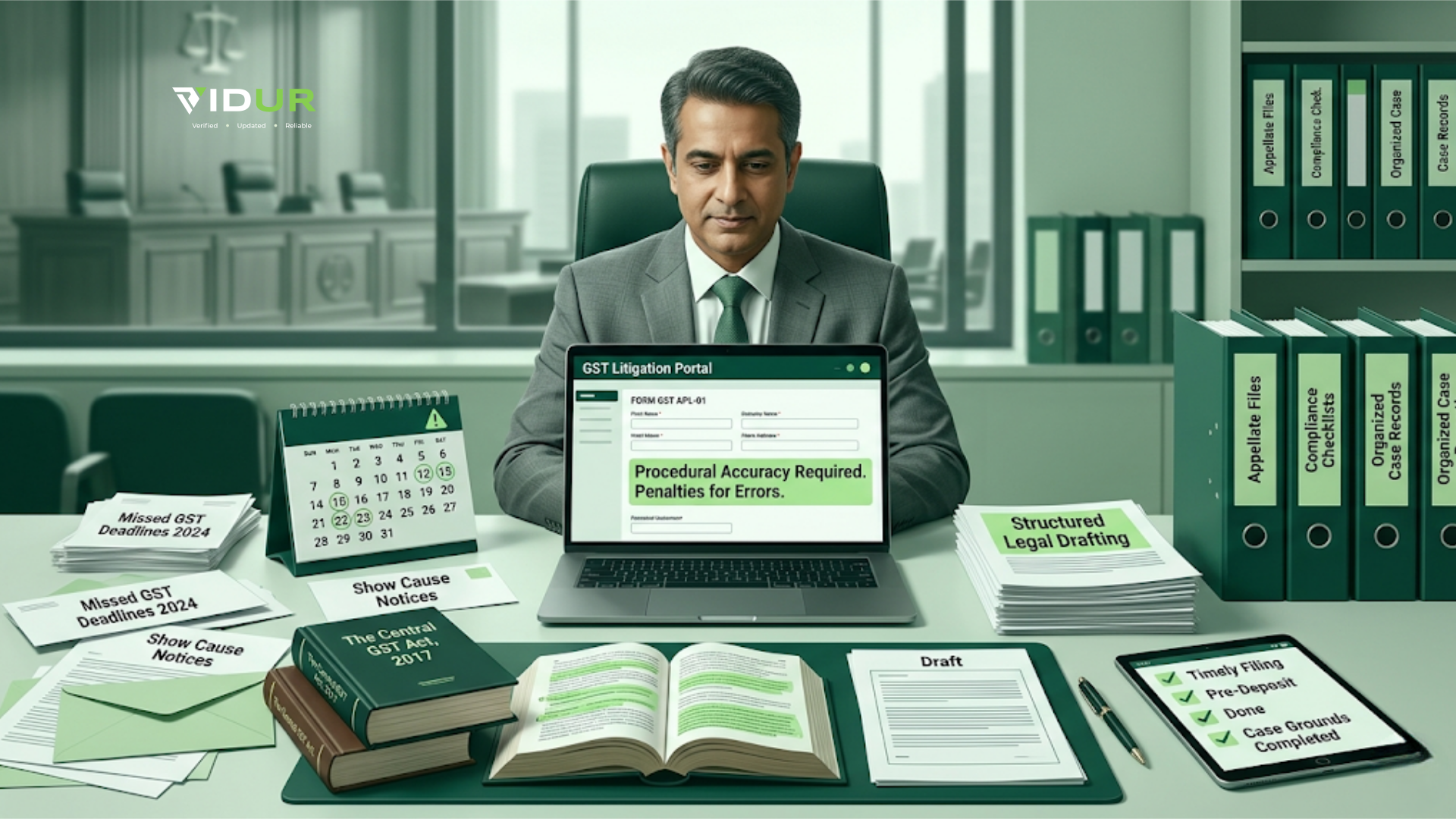
One of the most frequent errors is submitting incomplete or poorly organised documentation. GST litigation demands strict adherence to procedural requirements, and authorities often reject cases or delay proceedings due to missing documents.
Professionals must ensure all invoices, agreements, payment records, returns, and correspondence are properly compiled and presented. Double-checking the annexures and supporting evidence before filing can save considerable time and prevent unnecessary setbacks.
2. Ignoring Timelines and Deadlines
GST laws prescribe specific timelines for filing appeals, replies, and other submissions. Missing these deadlines can result in adverse orders or loss of appeal rights.
CAs and lawyers must maintain a calendar of critical dates and set reminders to ensure timely action. When delays are unavoidable, seeking condonation with valid reasons and supporting evidence is crucial. Ignoring timelines is a simple yet costly mistake that can severely impact the client’s case.
3. Misunderstanding Legal Provisions
GST statutes are intricate, and incorrect interpretation of provisions can lead to weak arguments.
Professionals should invest time in reading and understanding relevant sections, rules, and notifications. Relying solely on secondary sources or outdated materials may cause confusion. It is advisable to refer to updated bare acts and recognised commentaries while preparing submissions. If ambiguity persists, seeking expert opinions or guidance from senior practitioners can help clarify the issues.
4. Failing to Address All Points Raised by Authorities
Show cause notices and orders often contain multiple issues. Ignoring or inadequately addressing any point leaves room for adverse findings.
Professionals must carefully read all communications from authorities and ensure their replies cover every question and allegation. Structured responses, with clear headings and cross-references, provide clarity and show attention to detail. Avoiding generic replies and instead giving specific explanations supported by evidence improves the chances of favourable outcomes.
5. Poor Drafting of Pleadings
Pleadings must be concise, clear, and logically structured. Many professionals make the mistake of drafting lengthy, verbose, or ambiguous submissions, which confuse the adjudicator.
The facts, legal provisions, and relief sought should be presented in a straightforward manner. It is helpful to use simple language, bullet points, and summarise the key arguments at the end. Reviewing pleadings for grammatical errors and clarity before submission is a best practice.
6. Insufficient Preparation for Hearings
Proper preparation for hearings is essential. Some CAs and lawyers rely solely on written submissions, neglecting oral arguments.
Understanding the facts, legal issues, and anticipating possible questions from the bench enables professionals to present confidently. Preparing a brief summary, key points, and backup documents for quick reference during hearings can make a significant difference. Practising mock hearings with colleagues or seniors may also help refine arguments.
7. Not Keeping Clients Informed
Clients must be kept up to date about the progress of their case, possible outcomes, and risks involved. Some professionals fail to communicate effectively, leading to misunderstandings and dissatisfaction.
Regular updates, explaining complex legal issues in simple terms, and managing expectations are critical for maintaining trust. Additionally, involving clients in decision-making and obtaining their inputs ensures the pleadings are aligned with their business realities.
8. Neglecting Compliance with Procedural Requirements
GST litigation is heavily governed by procedural rules, including formats, fees, and modes of filing. Overlooking these requirements can result in rejection of documents or unnecessary delays.
Professionals should maintain checklists for each stage of litigation and consult official guidelines for correct formats and procedures. Paying attention to details such as affixing revenue stamps, ensuring notarisation, and online submission protocols is vital.
9. Overlooking Settlement or Alternative Dispute Resolution (ADR)
Litigation is not always the most efficient path. Sometimes, professionals fail to explore settlement options or ADR mechanisms like mediation and conciliation.
Discussing these possibilities with clients and authorities can lead to quicker resolutions and reduced costs. Being open to negotiation does not signify weakness; rather, it demonstrates a practical approach to problem-solving.
Conclusion
GST litigation requires a blend of legal expertise, procedural diligence, and practical wisdom. By avoiding the mistakes outlined above, CAs and lawyers can enhance their effectiveness, protect their clients’ interests, and contribute to smoother adjudication processes.
Regular training, staying updated with legal developments, and fostering open communication with clients are key to successful GST litigation practice. Remember, careful preparation and attention to detail are the hallmarks of a good professional.