

Artificial Intelligence (AI) is transforming industries worldwide, and taxation is no exception. For tax professionals, understanding how AI is reshaping the landscape is essential, as it brings both new opportunities and challenges. In taxation, AI is often used to automate routine processes, analyse large volumes of financial data, and assist with compliance and reporting.
AI in Tax Administration
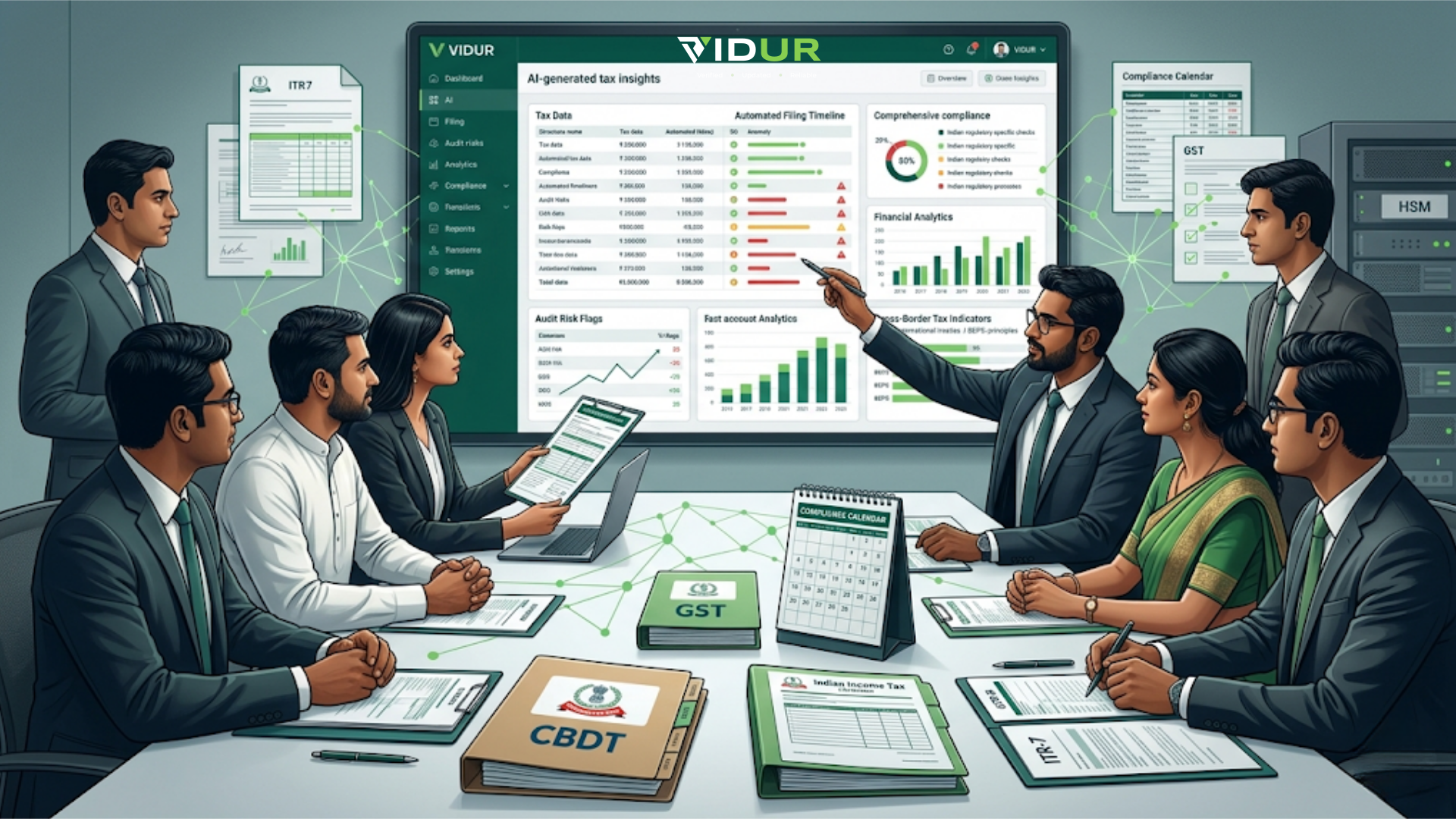
Tax authorities across the globe are adopting AI to improve efficiency and accuracy in tax administration. AI-powered tools can review tax returns, flag suspicious activities, and identify possible errors much faster than traditional methods. This means that audits are becoming more targeted, reducing unnecessary scrutiny for compliant taxpayers and focusing resources on potential fraud or evasion cases.
For example, AI algorithms can sift through millions of transactions and cross-check them with declared income. If inconsistencies are found, the system can alert tax officers to investigate further. This proactive approach helps authorities catch tax evaders and ensures that the tax system remains fair and robust.
AI in Tax Compliance and Reporting
AI is making compliance and reporting processes more streamlined. Automated systems can track deadlines, generate reports, and ensure that filings are accurate and timely. This reduces the risk of penalties for late or incorrect submissions.
For multinational businesses, AI tools can assist in managing complex cross-border tax issues. They can analyse local regulations, identify risks, and help ensure compliance with international tax laws. This is particularly valuable in today’s globalised economy, where businesses often operate in multiple jurisdictions.
Benefits for Tax Professionals
Automation
One of the most significant benefits is automation. Tasks such as data entry, document review, and basic calculations can be handled by AI tools, freeing up time for professionals to focus on more complex issues. This improves productivity and reduces the likelihood of human errors.
Tax Planning
AI can also assist in tax planning. By analysing historical data and current tax laws, AI systems can suggest strategies to optimise tax liabilities for individuals and businesses. This allows professionals to provide better guidance to clients and stay ahead of changes in regulations.
Timely Responses to Clients
Moreover, AI-powered chatbots and virtual assistants are increasingly being used to answer routine client queries, schedule appointments, and manage workflow. These tools make it easier for tax professionals to handle large volumes of work and provide timely responses to clients.
Challenges and Risks
Data Privacy
One of the major concerns with implementing AI is data privacy. AI systems rely on vast amounts of sensitive financial information, and ensuring this data is protected is crucial. Tax professionals must be vigilant about cybersecurity and follow best practices to safeguard client information.
Over-Reliance
Another challenge is the risk of over-reliance on AI. While AI tools are highly efficient, they may not always understand complex tax situations or interpret nuanced laws. Human expertise is still essential, especially when dealing with unusual cases or interpreting ambiguous regulations.
Scope of Error
Additionally, AI systems can sometimes make mistakes, such as flagging legitimate transactions as suspicious or failing to recognise certain deductions. It is important for tax professionals to review AI-generated outcomes and use their judgement to ensure accuracy.
Changing Skill Requirements
The rise of AI is changing the skills required for tax professionals. Technical knowledge of tax laws remains important, but familiarity with AI tools and data analytics is becoming equally essential. Professionals must learn how to use AI software, interpret its findings, and integrate technology into their daily work.
Continuous learning is key. Many organisations offer training programmes to help tax professionals upskill and stay updated with the latest technological advancements. Embracing these opportunities can help professionals remain competitive and deliver greater value to clients.
Future Outlook
The future of AI in taxation looks promising. As technology evolves, AI systems will become even more sophisticated, offering deeper insights and more advanced automation. Tax professionals who embrace AI will be able to deliver faster, more accurate, and more personalised services.
However, it is important to remember that AI is a tool, not a replacement for human expertise. The best results are achieved when AI and professionals work together, combining technology’s efficiency with human judgement and experience.
VIDUR AI is revolutionising the world of taxation, bringing efficiency, accuracy, and new opportunities for tax professionals. By understanding the benefits and challenges of AI, professionals can adapt to the changing landscape and continue to provide valuable services to their clients. Staying informed, upskilling, and embracing technology will be key to success in the era of AI-driven taxation.