


Artificial Intelligence (AI) is no longer a futuristic concept; it has become an indispensable tool in the world of finance and taxation. For Chartered Accountants (CAs) in India, 2026 marks a pivotal year where AI’s influence is reshaping tax planning, compliance, and consultancy. The integration of AI into tax practices is ushering in a new era of efficiency, accuracy, and strategic decision-making, enabling CAs to provide enhanced value to their clients and stay ahead in a rapidly evolving landscape.
AI-Powered Automation in Tax Processes
The traditional tax planning process has always been labour-intensive, requiring meticulous manual data entry, analysis, and interpretation. In 2026, AI-driven automation tools are streamlining these processes, freeing up valuable time for CAs. Tasks such as extracting information from invoices, receipts, and financial statements are now handled by intelligent algorithms that can scan, interpret, and categorise data with remarkable speed and precision. This automation reduces human error, ensures compliance with the latest regulations, and allows CAs to focus on higher-level advisory services.
AI solutions are also revolutionising tax return preparation. With the ability to integrate multiple data sources and cross-reference information, AI platforms can automatically fill tax forms, identify inconsistencies, and flag potential issues before submission. This not only expedites the filing process but also minimises the risk of penalties due to incorrect returns. Moreover, AI’s capacity for real-time updates ensures that CAs are always working with the most current tax laws and guidelines, a crucial factor in India’s ever-changing regulatory environment.
Enhanced Data Analytics for Strategic Tax Planning
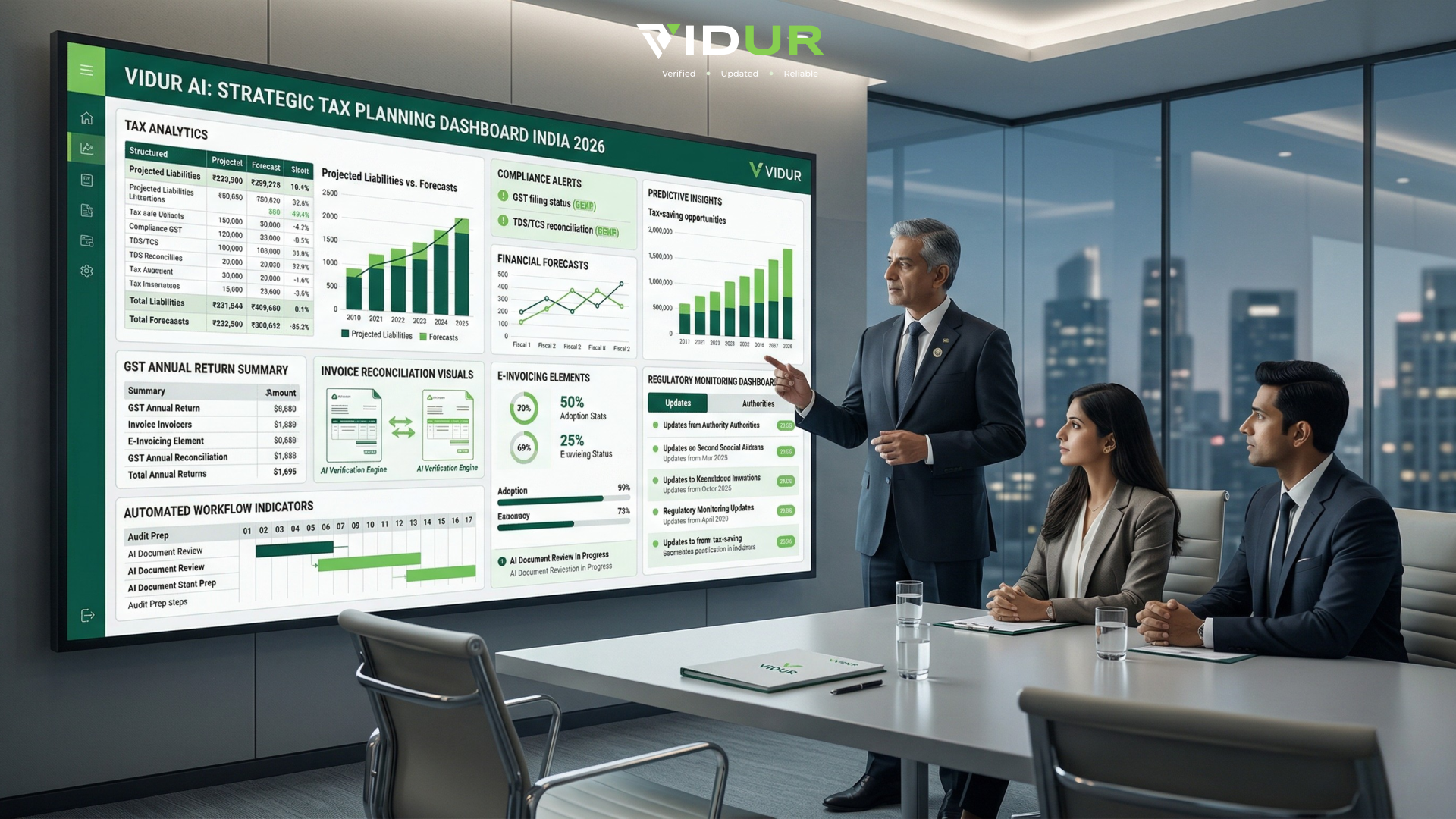
One of the most significant ways AI is transforming tax planning is through advanced data analytics. In the past, analysing large volumes of financial data to uncover tax-saving opportunities was a daunting task. Today, AI-powered analytics platforms can sift through massive datasets, identify patterns, and generate actionable insights. For Indian CAs, this means the ability to proactively recommend customised tax strategies tailored to a client’s unique financial profile and business objectives.
AI-driven predictive analytics are proving invaluable in forecasting future tax liabilities and cash flows. By leveraging historical data and current market trends, these tools enable CAs to anticipate changes in tax regulations and adjust strategies accordingly. This proactive approach not only optimises tax savings but also ensures clients are well-prepared for any regulatory shifts, thereby fostering trust and long-term relationships.
Personalisation and Client Engagement
AI is making personalised tax planning more accessible than ever. Modern AI platforms are capable of segmenting clients based on factors such as income level, industry, and investment patterns. This segmentation allows CAs to offer bespoke tax solutions that maximise benefits for each client. For instance, AI can suggest optimal investment plans, deductions, and exemptions suited to individual circumstances, ensuring that clients make informed decisions and comply with all relevant regulations.
Furthermore, AI-powered chatbots and virtual assistants are enhancing client engagement by providing instant responses to tax-related queries. These digital assistants can handle routine questions, schedule appointments, and send reminders about important deadlines, thereby improving communication and service delivery. As a result, CAs can devote more time to complex advisory tasks while maintaining consistent client interaction.
Risk Management and Compliance
Tax compliance remains a critical concern for businesses and individuals alike. AI is playing a crucial role in identifying and mitigating risks associated with tax planning. Through sophisticated pattern recognition and anomaly detection, AI tools can uncover potential red flags, such as unusual transactions or discrepancies in financial records. This early detection enables CAs to address issues proactively, reducing the likelihood of audits or investigations by tax authorities.
In addition, AI is helping CAs stay compliant with India’s dynamic tax laws. Automated compliance monitoring systems continuously scan regulatory updates, ensuring that all tax filings and planning strategies align with the latest requirements. This not only safeguards clients from legal complications but also enhances the reputation of CAs as trusted advisors in the field.
Integration with Emerging Technologies
The synergy between AI and other emerging technologies, such as blockchain and cloud computing, is further amplifying the benefits for Indian CAs. Blockchain-based ledgers provide transparent and tamper-proof records, while AI algorithms can analyse these records for compliance and optimisation. Cloud-based AI platforms offer secure access to tax planning tools from anywhere, enabling CAs to collaborate seamlessly with clients and colleagues.
Moreover, AI is facilitating the adoption of digital payment systems and e-invoicing, which are becoming standard practices in India. By automating reconciliation and documentation, AI ensures that all transactions are accurately recorded and reported, simplifying GST and other indirect tax processes.
Challenges and Considerations
While the advantages of AI in tax planning are undeniable, Indian CAs must navigate certain challenges. Data privacy and security are paramount, given the sensitive nature of financial information. It is essential for CAs to choose AI solutions that adhere to stringent data protection standards and comply with Indian regulations. Additionally, the rapid pace of technological change requires ongoing learning and adaptation. CAs must invest in upskilling and stay abreast of new developments to harness the full potential of AI.
Another consideration is the ethical use of AI. Ensuring transparency in AI-driven recommendations and maintaining professional judgement are critical to preserving client trust. CAs should view AI as an enabler rather than a replacement for human expertise, combining technological insights with their own knowledge and experience.
Conclusion: Embracing the AI Revolution
In 2026, AI is not just transforming tax planning for Indian CAs—it is redefining the profession itself. By automating routine tasks, enhancing data analytics, personalising client engagement, and strengthening compliance, AI empowers CAs to deliver superior services and strategic advice. The successful integration of AI hinges on a commitment to continuous learning, ethical practice, and embracing innovation. As Indian CAs adapt to this new reality, they are poised to become indispensable partners in their clients’ financial journeys, driving growth and prosperity in an increasingly digital economy.